How Ingenious Web Design Can Change Your Brand Name Identity
Cutting-edge web design plays an essential function fit a brand's identity. It acts as the electronic storefront, influencing initial impressions and user involvement. Thoughtful layout choices can produce memorable experiences and foster commitment. The impact goes beyond looks. Comprehending the underlying principles of effective web design can disclose its real potential. What methods might be employed to ensure that a brand name not just attracts attention yet additionally reverberates with its audience?
The Relevance of First Impressions in Web Design
Exactly how necessary is an impression in the domain name of web design? It functions as the initial gateway to user involvement, identifying whether visitors will check out more or abandon the site. A website's visual and performance can substantially influence understandings of a brand's credibility and professionalism and reliability. In an age where electronic interactions are immediate, customers form viewpoints within secs, making visual appeal and intuitive navigation vital.
An effective impression can cultivate trust and motivate exploration, while an inadequately made user interface may stimulate aggravation and apprehension. Elements such as color plans, typography, and design all contribute to this initial understanding. In addition, consistency in style throughout all web pages enhances brand name identity. As an outcome, the importance of impressions in web design can not be overstated; they not just determine user retention but likewise impact overall user experience and fulfillment, eventually shaping a brand name's reputation in a competitive on the internet landscape.
Secret Aspects of Effective Web Design
A website's efficiency pivots on several vital components that work in harmony to create a positive user experience. Intuitive navigation is vital, allowing users to find details easily. Concise and clear material enhances understanding and engagement, while strategic use whitespace protects against frustrating the viewer.
Responsive layout is another necessary facet, making sure that the site functions well on different tools and display dimensions. Fast loading times are necessary; sluggish sites can result in high bounce prices.
Aesthetic elements, including high-grade photos and an enticing format, add to a cosmetically pleasing experience that reverberates with customers. Availability should not be ignored, as it assures that all customers, regardless of capability, can interact with the website.

Just How Color Psychology Influences Brand Understanding
Shade psychology plays a pivotal duty in forming brand perception, affecting consumer emotions and actions in profound means. Different shades stimulate specific feelings; for example, blue often shares trust fund and professionalism and trust, while red can generate enjoyment or seriousness. Brands purposefully take advantage of these organizations to boost their identity and attach with their target audience.
A technology business could use a smooth blue palette to task dependability, while a food brand may decide for lively reds and yellows to stimulate hunger and energy. The uniformity of color across numerous platforms strengthens brand recognition and promotes loyalty
Enhancing User Experience Through Cutting-edge Features
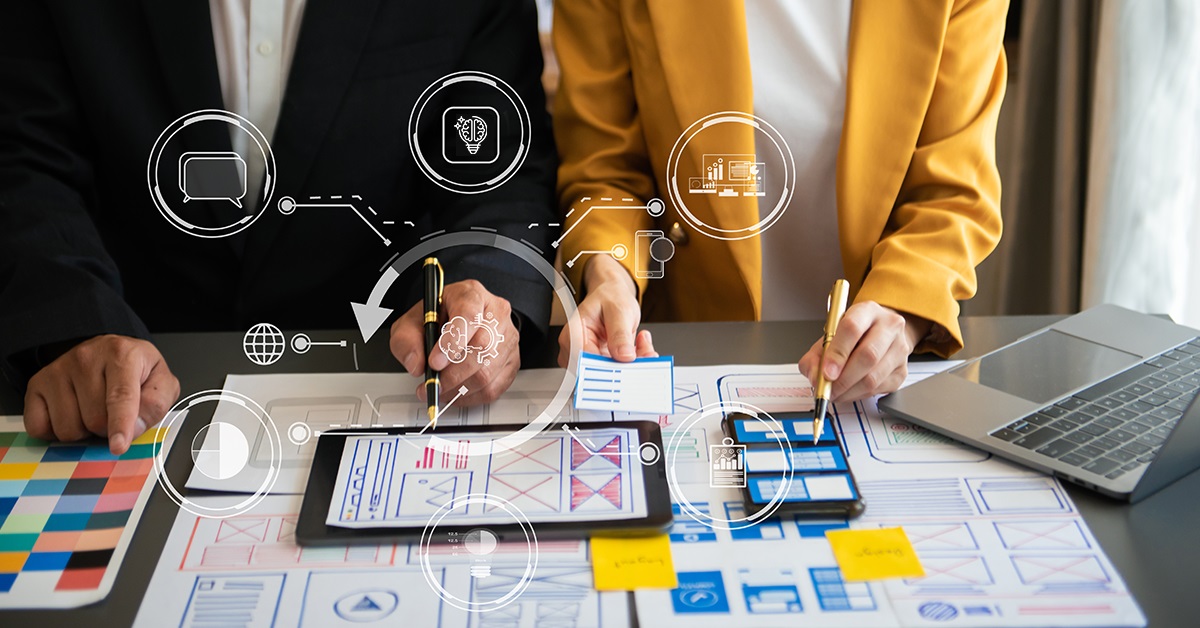
Numerous innovative functions can significantly enhance user experience in web design, creating an extra user-friendly and appealing interaction for site visitors. Interactive components such as dynamic web content, animations, and responsive design guarantee that customers remain mesmerized and included. Incorporating attributes like chatbots can supply real-time aid, improving interaction and resolving user questions promptly.
Furthermore, customized web content based on user behavior promotes a customized experience, motivating long term interaction. Ease of access features, consisting of voice navigating and display visitors, assure inclusivity for all individuals, additionally enhancing total fulfillment.
Carrying out user-friendly navigating, such as sticky menus have a peek at these guys and breadcrumb routes, permits users to locate details effortlessly, reducing stress. Furthermore, integrating micro-interactions, like subtle animations during button clicks, can supply positive responses, strengthening user actions. Ultimately, these innovative functions work jointly to produce a enjoyable and seamless user experience, considerably boosting the overall understanding of a brand name.
Instance Researches: Brands That Transformed Their Identity With Web Design
Website design plays a critical duty in shaping a brand's identification, as shown by different business that have effectively redefined their picture through cutting-edge on the internet experiences. A noteworthy example is Airbnb, see here now which overhauled its website to concentrate on narration and user-generated content. This method not just enhanced user engagement yet also strengthened its community-centric brand identity.
Similarly, the rebranding of Dropbox with a minimal design stressed simplicity and performance, straightening perfectly with its goal to make documents sharing uncomplicated. The new aesthetic identity fostered a modern and reliable picture.
One more situation is Mailchimp, which changed from a basic e-mail marketing device to a full-fledged advertising system. Its dynamic design and spirited images show a friendly and imaginative brand name character, interesting a wider target market.
These changes illustrate how tactical web design can greatly influence understanding, ultimately driving brand commitment and market development. - Website Design Agency
Regularly Asked Questions
Just How Much Does Innovative Web Design Commonly Price?
Innovative web design typically costs in between $2,500 to $15,000, relying on intricacy, features, and designer experience. Customized solutions might surpass this array, showing the investment in quality and capability that boosts user experience.
What Are the Newest Web Design Trends to Enjoy?
The most recent web design trends include minimalism, strong typography, dark mode, interactive aspects, and immersive narration. These components improve user experience, ensuring websites continue to be appealing and visually appealing in an increasingly digital landscape.
The length of time Does a Website Design Project Generally Take?
An internet design project commonly takes in between four to twelve weeks, depending on aspects such as intricacy, customer comments, and the layout group's work. Timelines may vary considerably based upon details job demands and objectives.
Can I Redesign My Website Without Losing Search Engine Optimization Rankings?
Yes, an internet site can be upgraded without losing search engine optimization positions. Cautious preparation, keeping link structures, maximizing on-page components, and updating backlinks assist maintain visibility in search engines during and after the redesign process.
What Platforms Are Best for Carrying Out Ingenious Web Design?
Popular platforms for cutting-edge web design include WordPress, Wix, and Squarespace. Each deals distinct features, layouts, and personalization options, permitting individuals to develop useful and aesthetically enticing sites that straighten with their brand name identification.
Ingenious web get more style plays a necessary duty in forming a brand name's identity. Various cutting-edge features can greatly improve user experience in web design, developing a more user-friendly and engaging communication for site visitors. agency for web design. Interactive elements such as dynamic web content, animations, and responsive layout guarantee that individuals continue to be captivated and involved. Internet style plays an essential role in shaping a brand name's identification, as evidenced by various companies that have effectively redefined their image through cutting-edge on-line experiences. A web layout task usually takes in between 4 to twelve weeks, depending on aspects such as complexity, customer comments, and the design group's workload